Concrete and Masonry Work Builds Structures That Last
Concrete and Masonry Work in Cary for foundations, retaining walls, patios, and structural installations requiring precision and durability
Pro Built Co Roofing and Construction provides concrete and masonry services throughout Cary, supporting property owners who need durable foundations, retaining walls, patios, and structural improvements that withstand settling, moisture, and the weight they are designed to carry. Properly installed concrete and masonry work maintains its strength and appearance for decades when preparation, reinforcement, and curing are handled correctly.
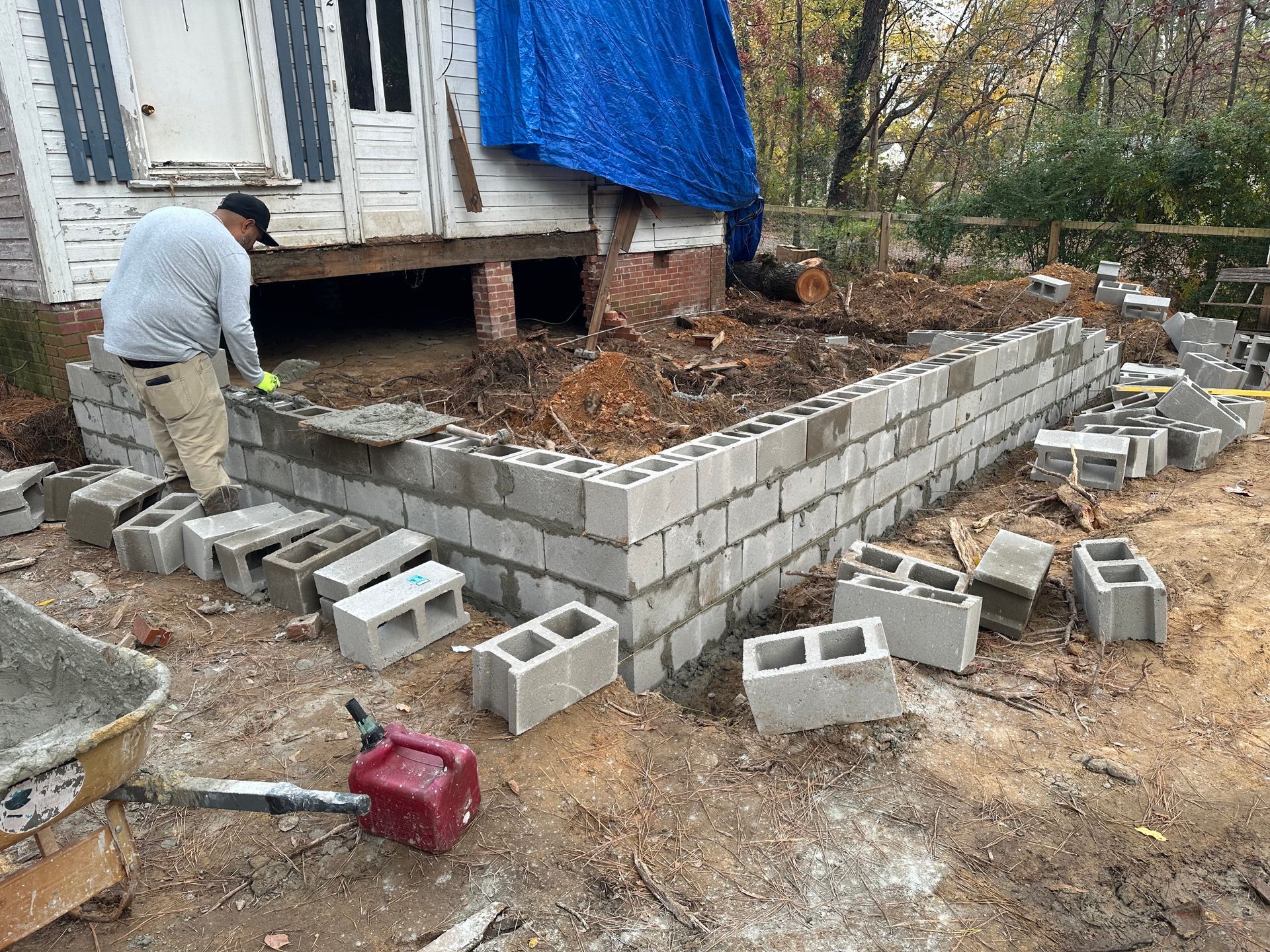
Concrete installations begin with site preparation that includes excavating to the required depth, compacting the subgrade to prevent settling, and installing a gravel base that promotes drainage and supports the weight of the finished slab or structure. Reinforcing steel or wire mesh is positioned within the forms to resist cracking as the concrete cures and bears loads. The concrete mix is poured, leveled, and finished with the appropriate surface texture, then covered and kept moist during the curing period to reach full strength. Masonry work such as retaining walls or structural brick requires careful attention to mortar consistency, joint placement, and drainage design to prevent water pressure from pushing walls out of alignment or causing efflorescence and spalling.
If you are planning a patio, driveway extension, or retaining wall to manage grade changes on your property, a professional assessment will determine the excavation depth, drainage requirements, and reinforcement needed for long-term performance.
What Happens During Concrete and Masonry Installations
The work begins with layout and excavation to establish the correct depth and footprint for the project. For foundation work, footings are dug below the frost line and poured first to provide a stable base for walls or slabs. Forms are built to contain the concrete and define edges, and any plumbing or electrical conduits are positioned before the pour. Reinforcing steel is tied in place to add tensile strength, and the concrete is delivered and placed in sections to prevent cold joints that weaken the structure.
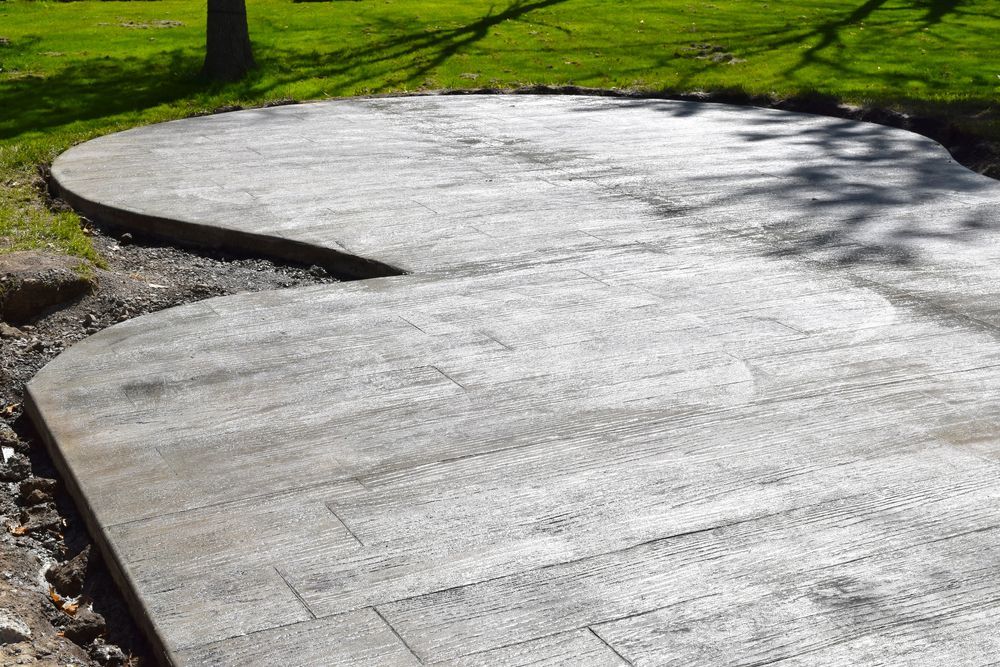
Once the concrete is poured, it is screeded level and finished with a trowel or broom to create the desired surface texture. Control joints are cut or formed to guide cracking along predetermined lines rather than allowing random fractures across the slab. Curing begins immediately, with the concrete kept moist and protected from rapid drying that can cause surface cracks and reduce strength. After curing, you will notice that the slab supports weight without flexing, water drains away from the surface as designed, and no cracks or settling appear even after seasonal freeze-thaw cycles. Pro Built Co Roofing and Construction ensures that grading and drainage around concrete work direct water away from foundations and prevent erosion that undermines the installation.
Masonry projects such as retaining walls require proper backfill and drainage to relieve hydrostatic pressure that can push walls out of plumb. Weep holes or drainage pipes are installed behind the wall, and backfill is compacted in layers to prevent voids that allow settling. Mortar joints are tooled to shed water and prevent moisture from penetrating the masonry, which protects the structure from freeze damage and deterioration.
Common Questions About Concrete and Masonry Projects
Property owners considering concrete or masonry work want to understand the site preparation, materials, and maintenance required to ensure their investment performs reliably over time.
How long does concrete need to cure before it can bear full loads?
Concrete reaches most of its strength within seven days, but full curing takes about twenty-eight days, and heavy loads should be avoided during this period.
What causes concrete slabs to crack after installation?
Inadequate subgrade compaction, insufficient reinforcement, or rapid drying during curing can all lead to cracking, and proper preparation prevents these issues.
Why is drainage critical behind retaining walls?
Water pressure builds up behind walls without drainage, which can push masonry out of alignment or cause structural failure over time.
When should control joints be added to concrete slabs?
Control joints are placed at regular intervals and around obstacles to guide cracking along planned lines rather than allowing random fractures that weaken the slab.
What will I notice after a concrete patio or driveway is installed in Cary?
The surface will remain level without settling, water will sheet off rather than pooling, and no cracks or heaving will develop even after freeze-thaw cycles and heavy use.
Pro Built Co Roofing and Construction provides detailed estimates and project timelines so you understand what to expect during concrete and masonry installations. Proper preparation and reinforcement ensure that your structures perform as designed and require minimal maintenance over their lifespan.